Understanding Common Roadside Emergencies

When your car breaks down unexpectedly, it can feel overwhelming. I’ve been there, and I know how stressful it is to be stuck on the side of the road. But knowing what to expect and how to handle common roadside emergencies can make a huge difference. It helps you stay calm, act quickly, and get back on the road safely. In this post, I’ll walk you through the most frequent roadside problems, what to do when they happen, and how to get the help you need fast.
What Are the Most Common Roadside Emergencies?
Roadside emergencies happen to all drivers at some point. The key is to recognize them early and respond properly. Here are some of the most common issues you might face:
1. Flat Tires
Flat tires are the number one roadside emergency. A sudden puncture or slow leak can leave you stranded. If you notice your car pulling to one side or hear a flapping sound, pull over safely and check your tires.
What to do:
Turn on your hazard lights immediately.
Find a safe spot away from traffic.
Use a spare tire and jack if you know how to change a tire.
If not, call for professional help.
2. Dead Battery
A dead battery can leave your car unable to start. This often happens if you leave your lights on or the battery is old.
What to do:
Try jump-starting your car with jumper cables and another vehicle.
If you don’t have jumper cables or the jump doesn’t work, call for roadside assistance.
3. Overheating Engine
If your temperature gauge rises quickly or steam comes from under the hood, your engine is overheating. This can cause serious damage if ignored.
What to do:
Pull over and turn off the engine immediately.
Wait for the engine to cool before opening the hood.
Check coolant levels if you know how.
Call for help if you’re unsure or the problem persists.
4. Running Out of Gas
It happens to the best of us. Running out of gas can leave you stuck, especially in remote areas.
What to do:
Turn on your hazard lights.
Call for fuel delivery or emergency road services.
Avoid walking to the nearest gas station if it’s far or unsafe.
5. Lockouts
Locking your keys inside your car is frustrating but common.
What to do:
Don’t try to break a window.
Call a professional locksmith or roadside assistance.

Flat tire on the roadside ready for replacement
How to Stay Safe During Roadside Emergencies
Safety is your top priority when dealing with any roadside emergency. Here are some tips to keep you safe:
Always pull over to a safe spot, away from traffic.
Turn on your hazard lights to alert other drivers.
Stay inside your vehicle if it’s unsafe outside.
Use reflective triangles or flares if you have them.
Call for professional help rather than trying risky fixes.
Remember, your safety comes first. Don’t rush or take chances.
Is There Any Other Roadside Assistance Besides AAA?
AAA is well-known, but it’s not the only option for roadside help. Many local companies offer fast, reliable services that can be more convenient and affordable.
For example, Tactical Towing and Roadside Assistance provides a wide range of emergency road services. They specialize in quick response times and professional help for all common roadside emergencies. Whether you need a tow, tire change, jump-start, or fuel delivery, they have you covered.
Other options include:
Insurance company roadside assistance programs.
Credit card benefits that include roadside help.
Local towing companies with emergency services.
It’s a good idea to have a backup plan in case AAA is unavailable or you want faster service.
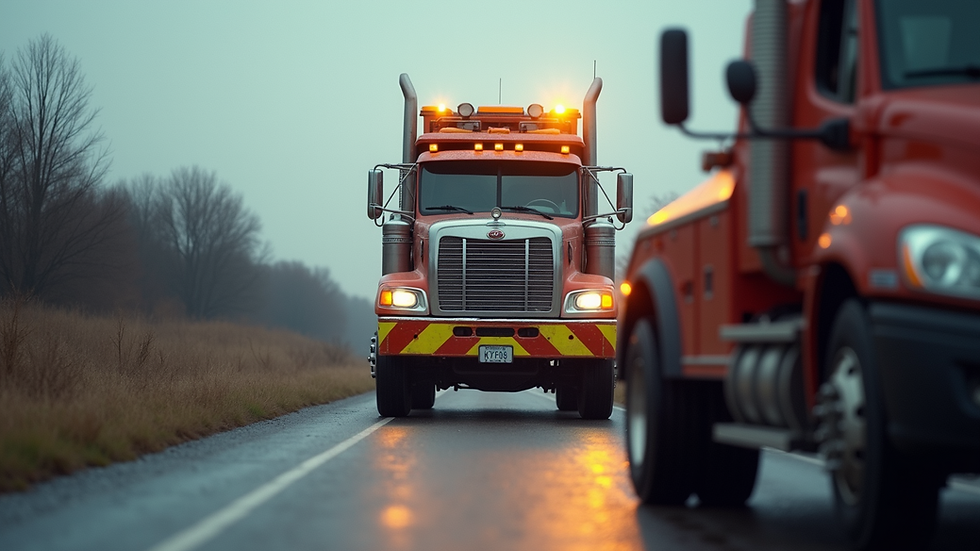
Tow truck ready to assist a stranded vehicle
How to Prepare for Roadside Emergencies
Preparation is key to handling emergencies smoothly. Here’s what I recommend:
Keep an emergency kit in your car. Include items like a flashlight, jumper cables, tire inflator, first aid kit, reflective triangles, and basic tools.
Know how to change a tire. Practice at home so you’re confident if it happens on the road.
Keep your phone charged. Always have a car charger or power bank.
Save emergency numbers. Store contacts for local towing and roadside assistance services.
Regular vehicle maintenance. Check tire pressure, battery health, and fluid levels often.
Being prepared reduces stress and helps you act quickly.
When to Call Professional Emergency Road Services
Sometimes, roadside problems are too big or dangerous to handle alone. Don’t hesitate to call for professional help if:
You can’t safely change a tire.
Your car won’t start after a jump.
The engine is overheating and you’re unsure what to do.
You run out of gas in a risky location.
You’re locked out and can’t get in.
Professional emergency road services have the tools and experience to get you back on the road safely and fast. They also provide peace of mind when you’re stuck.

Roadside assistance technician helping a driver on the roadside
Staying Calm and Confident on the Road
Roadside emergencies are stressful, but staying calm is your best tool. Take deep breaths, follow safety steps, and remember help is available. You’re not alone, and with the right knowledge and support, you’ll be back on the road in no time.
Keep this guide handy, prepare your car, and know who to call. That way, when the unexpected happens, you’ll be ready to handle it with confidence!
If you ever find yourself in a tough spot, don’t hesitate to reach out to trusted professionals like Tactical Towing and Roadside Assistance. They’re ready to help you quickly and safely, so you can keep moving forward.


Comments